Residential remodeling rarely begins with blueprints. It starts with a feeling. Maybe your kitchen never works during holidays, or the basement wastes square footage, or a bathroom from 1997 keeps breaking your morning rhythm. The roadmap from that first itch to the final walkthrough will be different for each home, but the key moves are consistent. Think clarity up front, disciplined execution in the middle, and thoughtful handoff at the end. The following guide draws on what actually happens on job sites and in living rooms when families decide to invest in their space.
Start with a vision you can measure
Vague goals balloon budgets. Clear goals build momentum. Before talking to anyone, put your reasons on paper. List the frustrations you want to fix, but also what you hope to feel when the work is done. A family in a 1950s ranch I worked with wrote down three sentences: weekday cooking should take less than 30 minutes with everything within reach, the dining table should seat eight comfortably, and the kids should be able to do homework in sight. That clarity made layout choices far easier than talking about an “open concept.”
Turn those wishes into constraints and numbers. Assign a target budget range, not a single number. Decide how much disruption you can tolerate, especially if you plan to live at home during construction. If you are exploring a bathroom remodel, a basement remodel, or an addition, note the non negotiables. For example, if one shower must remain functional throughout, that becomes a scheduling anchor.
Clarity also applies to finishes. You do not need to pick every tile and hinge today, but set lanes. If you want affordable kitchen renovations, define what affordable means, such as a target of 20 to 25 percent of your home’s value if you are planning a full kitchen overhaul, or a cosmetic refresh under 8 percent. Talk realistically about whether reusing existing cabinets or reconfiguring plumbing can keep costs in check.
The scope triangle: cost, time, quality
You only get to hold two corners tightly. If the finish quality and schedule are fixed, the cost will rise when surprises hit. If cost and quality cannot move, the schedule will stretch. Most families realize this when they choose a premium slab after framing is complete, then watch the lead time push the move back date.
A good residential remodeling plan accepts this tradeoff early. One couple I worked with wanted an ambitious home addition before a baby arrived. Rather than gamble on a tight deadline, we carved out a phase one that delivered the nursery and one bath, and a phase two that finished the deck and powder room. Their deck enclosures contractors total spend stayed under control, and their stress stayed human.
Do your homework before Googling “home renovation near me”
Typing home renovation near me brings up a pile of results, some gold, some noise. Where you start matters. Friends and neighbors remain the best referral source. Walk your dog past nearby projects and ask homeowners how things are going. Local building departments often know which teams file clean permits and pass inspections on the first try. Trade supply houses know who orders correctly and pays on time. If you are beginning the hunt with general contractors near me or bathroom remodelers near me, go beyond star ratings and look for evidence of similar scale work in your zip code.
This is also the moment to decide whether you want a full service professional contractor who handles design and build under one roof, or separate firms for design and construction. Design build can simplify coordination and accountability, especially for kitchens, baths, and basements. An independent architect or designer can be invaluable for complex additions or significant structural changes, then you bid the plans to multiple builders. Both paths work. Your appetite for decisions and involvement should guide the choice.
Vetting the right partner
You do not need to hire the nicest person. You need the right builder for your scope, budget, and house type. The low bid that misses structural steel or waste line relocation is not a bargain. The highest bid that layers risk fees might be overkill for a straightforward deck or powder room. Ask each candidate to walk your space and speak plainly about challenges, not just the pretty parts.
Use this short list when you narrow your search:
- Proof of license, insurance, and workers’ comp, current and verifiable Three recent projects similar in size and style, with homeowner contacts Clear sample schedule with milestone dates and dependencies Transparent change order process and markup policy in writing Names of key people who will be on site, not just the salesperson
Price should be detailed, not a lump sum. If you are comparing bids from home addition contractors or a deck contractor alongside a general contractor, insist on an apples to apples scope. If one includes footing depth to frost line and the other does not, the cheaper number will not remain cheap.
From napkin sketch to buildable plan
Design demands iteration. Good drawings solve problems that become expensive on site. At minimum, you need dimensioned floor plans, electrical and lighting layouts, and elevations for kitchens and baths. For a bathroom remodel, an elevation tells you exactly how that vanity meets a tiled wall, where the mirror hits, and where the sconce backs land. For an affordable kitchen renovation, cabinet shop drawings save two or three headaches you would otherwise meet after drywall.
Decisions you front load will pay you back later. Choose plumbing fixtures before rough in. Choose lighting before framing closes. Choose appliances before designing cabinetry. If your basement remodel will host a media room, decide screen size, speaker placement, and outlet locations long before you paint. These decisions prevent holes getting cut twice.
When you start eyeing inspiration photos, always ask what is hiding behind the picture. That minimal island needs wiring and ventilation. That curbless shower needs careful slope and waterproofing. That 12 foot slider needs a header sized by an engineer. Good design anticipates structure, waterproofing, and code, not just colors and lines.
Codes, permits, and inspections without drama
Permits protect more than just the city’s interests. If you sell your home or need to make an insurance claim, permitted work saves headaches. Permits are also the quiet safeguard that ensures framing, electrical, plumbing, and HVAC get checked against a baseline. For small jobs like a one for one fixture swap, you may not need a full permit, but moving walls, drains, or service panels will trigger one. A professional contractor should file and post the permit on site and coordinate all inspections.
Know your local cycles. Some jurisdictions approve in a week. Others take six to eight weeks plus plan review comments. If your project includes a structural change or a home addition, expect engineering stamps and possibly zoning review. Set the start date only after permits are in hand, materials are ordered, and lead times are confirmed. Launching demo while waiting on a custom window order is a common way to turn a four week gap into a three month headache.
Scheduling, sequencing, and the truth about lead times
The schedule is not just a line of dates. It is a stack of dependencies. Framing follows demo. Rough plumbing and electrical follow framing. Insulation follows rough inspections. Drywall follows insulation. Finishes follow drywall. Appliances wait until flooring is protected. Hardware gets installed after doors are painted. The logic is sturdy, even if the calendar moves.
Plan around realities. Windows can take four to twelve weeks. Some tile lines run eight weeks. Specialty shower glass is measured after tile, then needs two to three weeks to arrive. That means your bathroom remodel should not promise completion the day the tile is grouted. Stagger deliveries so materials land a few days before install, but not months early where they risk damage. Keep a protected, dry staging area on site.
If you are living in the home, sequence work to preserve a working kitchen or a working bath. For larger projects, temporary kitchens in the dining room with a hot plate and a second fridge keep sanity higher than any budget line.
Money management that prevents scope drift
Contingency is not a cushion for indecision. It is an acknowledgement that houses hide things. I recommend 10 percent for newer homes in good condition, 15 to 20 percent for older homes, basements, or structural work. Keep your base contract and your contingency separate. When a real surprise pops up, you will be ready. When you choose an upgrade by preference, you will see you are spending from the wish list, not emergency funds.
Contract structures vary. Fixed price suits well defined scopes with complete drawings. Cost plus fits projects that need flexibility, especially when selective demo will reveal unknowns. Both work if they are transparent. Ask for a sample invoice showing labor rates, material costs, and markup. Agree on progress payment milestones tied to tangible work, not just dates. A fair cadence might trigger payments at rough in completion, drywall, cabinet installation, substantial completion, and final walkthrough.
Communicating during the build
Weekly check ins keep momentum. The best site meetings happen with a punch list in hand. Your contractor should maintain a running log of decisions and open items. That can live in a shared folder, a project management app, or a simple spreadsheet. Note who owns each task and a due date. Take photos often, especially of in wall conditions before insulation. If you ever need to find a buried junction box or verify a blocking location, those photos earn their keep.
Change orders are inevitable. Handle them with the same discipline as the base contract. Get pricing and schedule impact in writing before authorizing the work. Resist approving on the fly because a crew is asking in the moment. Ten small field decisions can erase a week and thousands of dollars without malice, just momentum.
Living through construction without losing it
Dust control is not optional. Temporary plastic walls with zipper doors, covered return vents, negative air machines when cutting, and daily broom sweeps should be baseline practices. Ask how the crew protects floors, stairs, and fixtures. If you have pets, plan gates and routines. If you have kids, set clear no go zones and walk them through what is changing.
Noise and access schedules pay off. If you need quiet mornings for work calls or nap time, raise that directly and see where flexibility exists. Trades can often reshuffle loud tasks to midday if they know in advance. Parking and material storage should not surprise your neighbors. Good crews respect the block, and a little courtesy buys you goodwill when a crane shows up for a beam or a deck delivery.
Quality control before the paint dries
I like to do two punch lists. The first happens after mechanical rough in but before insulation. Walk the space with your contractor and a roll of blue tape. Confirm outlet heights, switch locations, plumbing stacks, blocking for towel bars and shower glass, and insulation details. Take photos, label them, and share a copy with everyone. It is easier to move a switch before drywall than after tile.
The second punch list comes at substantial completion, after the big pieces are in but before final payment. This is where you look with fresh eyes. Tell the crew you will be slow and thorough. Do not feel rushed. Small fixes now save daily irritations for years.
The final walkthrough that protects your investment
The last day is about more than keys and congratulations. You are verifying function, finish, and documentation. Approach it with curiosity and a bit of rigor.
Use this simple checklist during your walkthrough:
- Run every faucet, flush every toilet, and look under sinks for drips Open and close every door, drawer, and window, checking latches and reveals Test all lights, fans, GFCIs, and dedicated appliance circuits Inspect tile, paint, counters, and floors in natural and artificial light Collect manuals, warranty cards, maintenance schedules, and paint sheens
Ask for a one page guide to the systems that were touched, including shutoff locations and filter types. Many teams offer a 30 day and 11 month warranty check. Put those dates on your calendar the day you finish.
When projects get specific: kitchens, baths, basements, additions, and decks
Not every remodel moves the same way. Here are the rhythms and quirks that show up often in specific rooms and project types.
Kitchens. The kitchen drives family life, which makes a clear temporary plan crucial if you are staying on site. For affordable kitchen renovations, reface solid cabinet boxes, swap doors, add soft close hardware, and invest in a real backsplash and lighting plan. If you are blowing out walls, engineer early, verify mechanical routes, and size the hood to the cooktop output. Countertop lead times and templating can dictate your finish dates more than any other factor. Save room in the budget for under cabinet lighting and a generous number of outlets with thoughtful spacing.
Bathrooms. Waterproofing makes or breaks a bathroom remodel. Ask what system is being used behind tile and how seams are treated. For curbless showers, check the slope at the preslope stage, not after tile is in. Electrical codes will require GFCI protection and usually a dedicated circuit for certain fixtures. Venting to the exterior is not a nice to have, it is code and it preserves your finishes. Heated floors are relatively inexpensive to add before tile and greatly improve daily comfort, especially in basements or over slabs.
Basements. A basement remodel needs a dry start. If you have any signs of moisture, solve them before finishes. That can mean exterior grading, gutters, sump pumps, French drains, or interior sealing, depending on your region and foundation. Egress requirements for bedrooms are strict and smart. Plan for generous lighting and brighter finishes since basements often lack natural light. Noise control with sound batt insulation in ceiling joists is a modest cost with a big payoff if you have bedrooms above. Mechanical access clearances must remain serviceable, so layout storage rooms with future maintenance in mind.
Additions. Home addition contractors juggle zoning setbacks, massing, and tie ins to existing structures. Matching floor heights sounds simple but often reveals level issues that ripple through trim and door installations. Expect more engineering than you would think for wide openings and large windows. Roofing transitions deserve careful flashing details to prevent future leaks. If your addition includes new HVAC loads, calculate whole house capacity rather than tacking on a duct that leaves rooms uncomfortable.
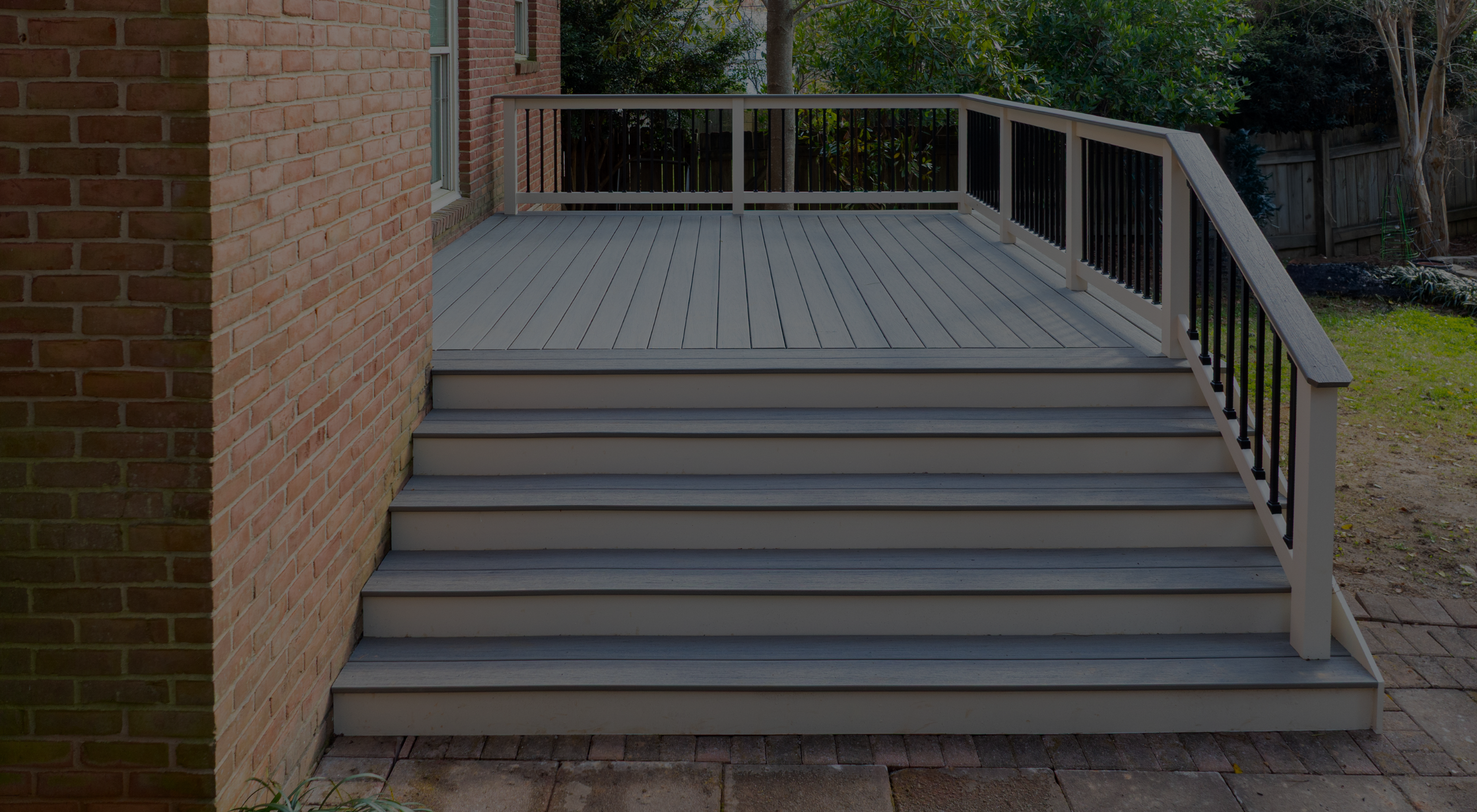
Decks. A deck contractor should talk footings, ledger attachments, and flashing before talking board colors. Pressure treated lumber remains cost effective, while composites offer easier maintenance at a higher upfront cost. Railing systems vary widely in price and install speed. Many jurisdictions require permits and inspections for decks, including depth to frost line, beam sizing, and guardrail details. Consider shade and privacy with pergolas, slatted screens, or plantings to make the space livable beyond a handful of perfect days.
Working with the right team, even when “near me” is the first filter
Typing general contractors near me is natural, but close does not always equal capable. That said, proximity helps when daily site supervision matters, like in historic districts or tight city blocks. For specialized projects, such as a steam shower or a structural steel moment frame, the best fit might be a firm a few towns over. If you are looking up bathroom remodelers near me, favor those with a portfolio of waterproofing and tile details they can explain without jargon. For a significant addition, home addition contractors should talk sequencing and temporary weather protection, not just renderings.
What you want most is a team that treats your home with respect, communicates clearly, and shows you how decisions flow to schedule and cost. Look for a professional contractor who can show change orders that were handled cleanly and transparent subcontractor relationships. The best relationships on site are built on competence and courtesy more than charisma.
Materials that age well
People obsess over paint colors and forget about hinges. The truth is, hardware and tape joints often show wear first. On cabinets, look for full extension, soft close slides and plywood boxes if you can swing it. On tile, choose grout with a stain resistant additive or epoxy where it makes sense, often in showers and kitchen backsplashes. For flooring, think about your climate and pets. Site finished hardwood can be repaired and refinished, while engineered products handle humidity swings better. In basements, luxury vinyl plank over a proper underlayment stays resilient without fear of seasonal moisture.
Lighting is the quiet hero. Layer ceiling lights with task and accent lighting. Put vanity lights at eye level where possible to avoid unflattering shadows. Dimmer switches cost little and make rooms feel twice as expensive. For exterior decks, low voltage lights at stairs and rails extend the usefulness of the space without turning your yard into a floodlit stage.
Managing surprises and keeping perspective
Old houses keep secrets. In a 1930s Tudor, we opened a wall to find knob and tube wiring and a plaster return we could not replicate with off the shelf moldings. We paused, repriced, and preserved the best details while upgrading hidden systems. Surprises are not failures. They are your chance to future proof the home.
Weather delays, backordered tile, or an inspector who insists on an extra strap sometimes land all at once. A measured response wins. Ask for revised dates, revised tasks for the week, and what can be advanced in parallel. Protect the critical path activities and keep the small wins coming. Most projects turn on a handful of decisive weeks. Treat those carefully.
What happens after you move back in
The first month is your chance to catch tiny tweaks while the team and subs still have muscle memory for your project. Blue tape the nick on the baseboard and email the list once, not in drips. Build a habit of maintenance. Reseal stone annually if required. Clean shower glass with a squeegee after use. Change range hood filters and HVAC filters on a schedule.
If you plan to sell within a few years, keep a project binder with permits, inspection sign offs, manuals, paint sheens, appliance model numbers, and warranties. Buyers and inspectors love organized documentation. It also helps you a year later when you need to match a paint touch up or order a replacement part.
A note on value: financial and lived
The return on a remodel shows up in equity and in how you live at home. National averages can be helpful, but local markets and your starting point matter more. A smart bathroom remodel that solves layout and storage often returns a large share of its cost and makes mornings smoother. A basement remodel that adds conditioned square footage with an egress bedroom can materially change how your home functions. Affordable kitchen renovations that choose durable surfaces and intelligent lighting make daily cooking feel like less work, even if you never move a wall. A well built deck effectively adds a seasonal room and pulls you outside more often.
Value also shows up in fewer service calls and less frustration. Proper waterproofing, adequate ventilation, and well planned electrical circuits are the behind the scenes champions of a low stress home.
Bringing it all together
A successful remodel is not luck. It is the accumulation of good decisions, made in the right order, by the right people. Set a measured vision. Choose partners who can deliver what they promise. Expect the schedule to move, but hold the quality line. Protect your budget with clear scopes and real contingencies. Keep communication steady. Walk the space often. Celebrate the day the lights turn on at the dimmer you placed where your hand naturally lands, the day a shower drains perfectly to the linear grate you chose, the day your kids spread homework on the island without bumping elbows. That is the payoff you were aiming for when you first looked up home renovation near me and decided your house could work harder for you.